

Today's consumers are more informed, connected and quality-conscious than ever before. From ingredient transparency to product origin, they expect brands to provide clear and reliable information about the cosmetics they purchase.
At the same time, the cosmetics industry faces growing challenges related to counterfeiting, product diversion and supply chain transparency. Like the pharmaceutical sector, beauty products are often targeted by counterfeiters because they can be relatively easy to replicate in appearance while being impossible for consumers to verify with the naked eye.
The consequences go far beyond financial losses.
How can you stay ahead of counterfeiting and rising consumer expectations? Visit us at Cosmetic 360 and discover how RFID is transforming cosmetics through enhanced traceability, product protection and connected consumer experiences.
Why is protecting cosmetic products so important?
As counterfeit cosmetics continue to evolve, brands need more advanced technologies capable of ensuring product authenticity and supply chain transparency.
Consider a premium face cream. Before reaching consumers, it passes through a highly regulated journey involving manufacturing, packaging, logistics, distribution and retail. Every step is designed to ensure product quality, compliance and safety.
However, in today's digital marketplace, counterfeit products can quickly appear on online stores, marketplaces and social media channels, often sold at significantly lower prices than authorized products. While these offers may seem attractive, consumers have little way of knowing whether the product is genuine.
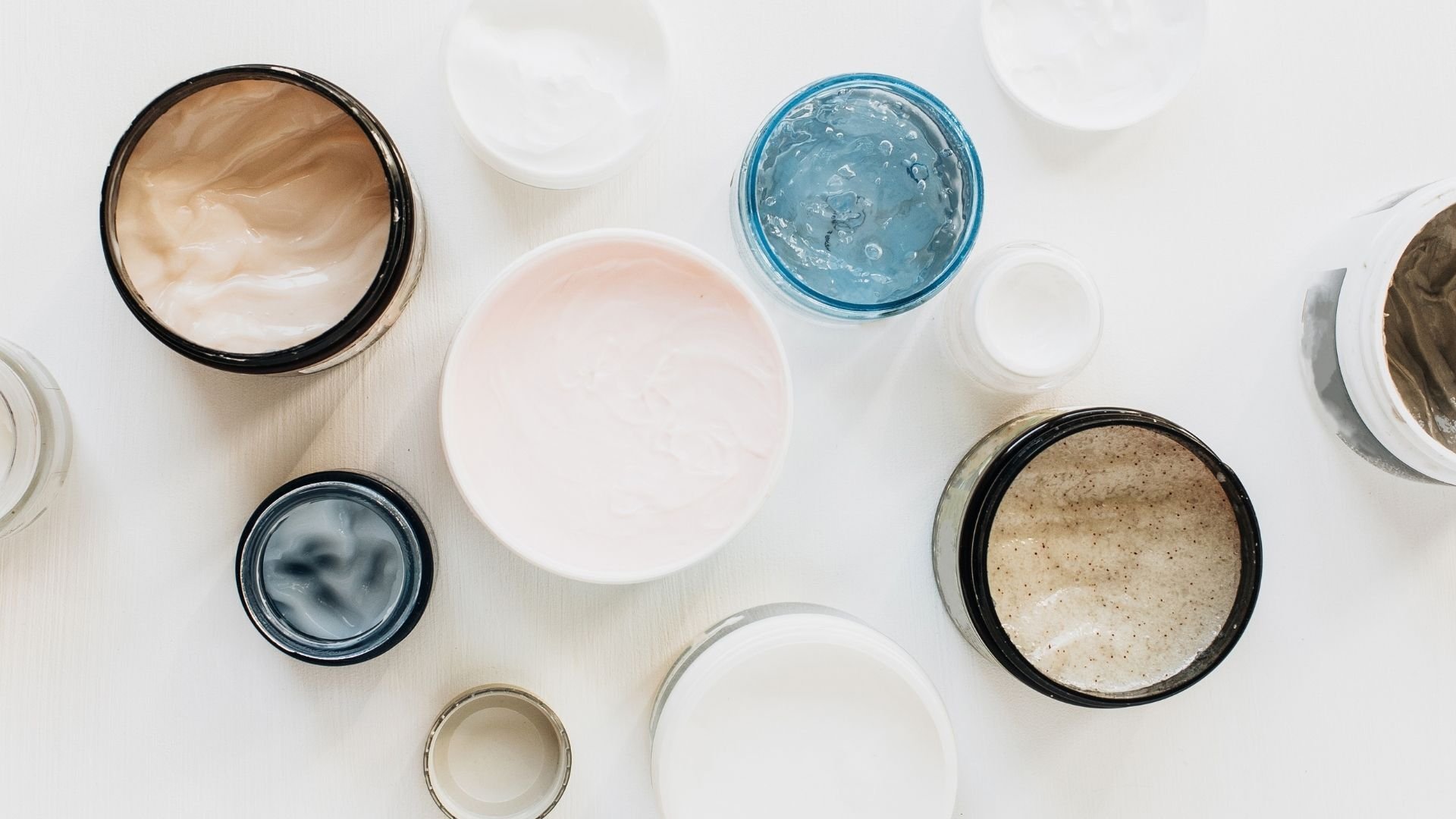
Not long ago, a hair-growth product went viral across social media platforms. Thousands of users shared their experiences online, generating a wave of positive reviews that quickly fueled demand. This phenomenon highlights the power of digital word of mouth, which often has a greater influence on consumer purchasing decisions than traditional brand advertising.
As the product's popularity grew, it also became an attractive target for counterfeiters. Soon, consumers began encountering what appeared to be the same product on the market. The packaging looked almost identical, but one crucial detail made all the difference: one was authentic, while the other was counterfeit.

In some cases, the differences were nearly imperceptible, such as a slightly altered label or subtle packaging variations. However, the ingredients contained inside could be completely different from those listed on the original product. This not only poses potential health risks to consumers but can also seriously damage the reputation of the genuine brand, which may be unfairly associated with negative product experiences.
How can cosmetic brands ensure product authenticity?
As counterfeit risks continue to grow and consumers demand greater transparency, cosmetic brands need reliable ways to verify product authenticity, improve traceability and protect consumer trust.
This is where RFID technology comes into play.
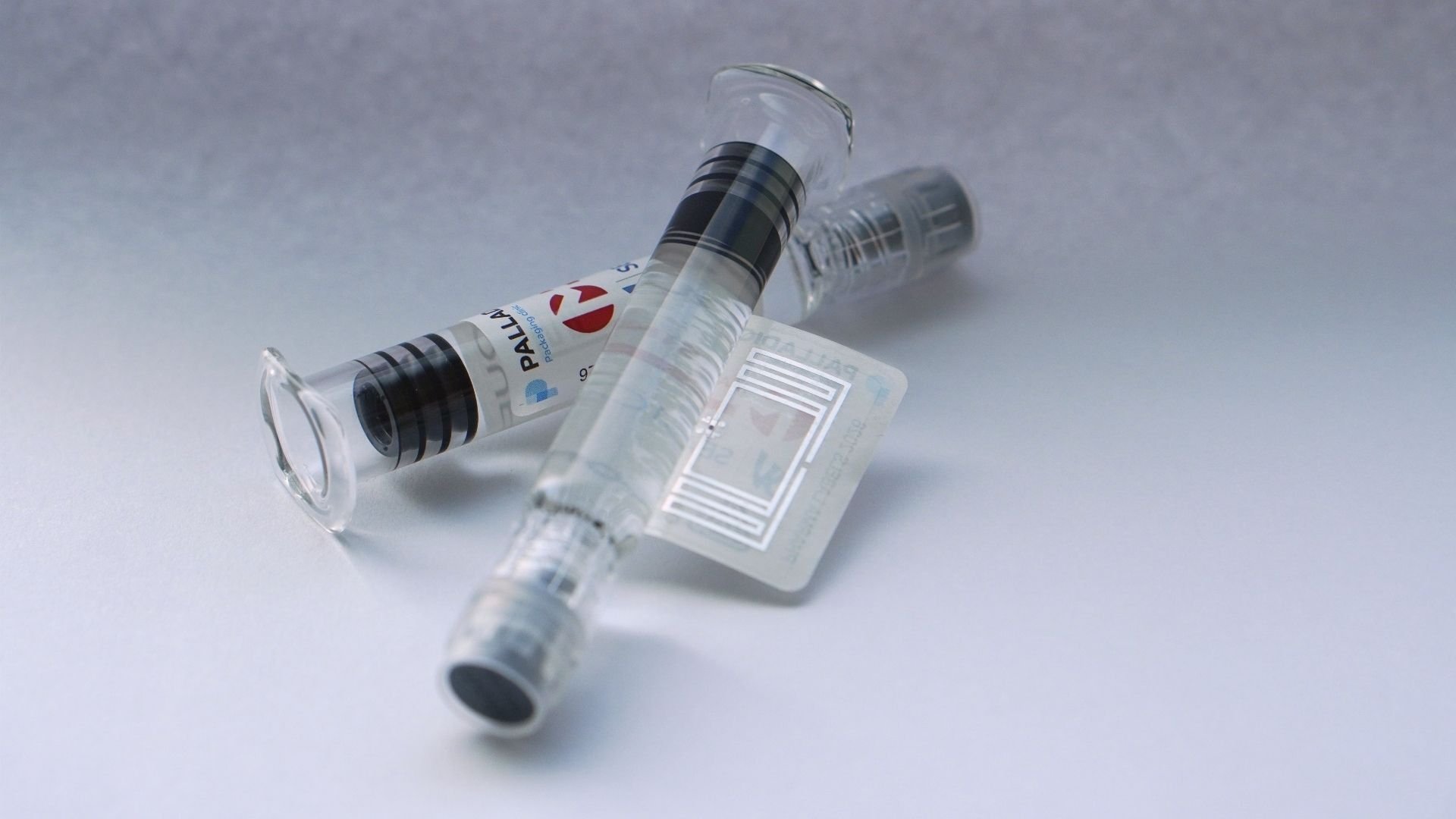
By giving every product a unique digital identity, RFID enables brands to authenticate products, enhances supply chain visibility and builds the foundation for a safer and more connected consumer experience. Here you can read more about how this technology works.
From labels and secondary packaging to tamper-evident seals and luxury gift boxes, RFID tags can be incorporated into a wide range of cosmetic products. Tags are often embedded directly within the product label, making them virtually invisible while preserving the premium look of the packaging and providing an additional layer of security and authenticity.
Creating value across the entire customer journey
Protecting products against counterfeiting is only one of the many benefits RFID can deliver.
Today's leading cosmetics brands are leveraging RFID to build stronger relationships with consumers, provide greater product transparency and support sustainability goals.
By bridging the gap between physical products and digital experiences, RFID enables brands to create meaningful interactions at every stage of the customer journey while fostering trust, loyalty and long-term engagement.
Create more engaging consumer experiences
RFID can transform cosmetic packaging into an interactive digital touchpoint, connecting consumers with the product long after it leaves the store shelf. By associating each item with a unique digital identity, brands can provide instant access to product information, ingredient details, usage instructions, tutorials, promotional campaigns and personalized content.
This approach not only enhances the customer experience but also strengthens the relationship between brands and consumers. Instead of being a simple container, packaging becomes a gateway to valuable information and exclusive digital experiences.
Support transparency and sustainability goals
Transparency has become a key differentiator in the cosmetics industry. Consumers increasingly want to know where products come from, how they are manufactured and whether brands are meeting their sustainability commitments.
By assigning a unique identifier to every cosmetic product, RFID enables end-to-end traceability across the entire value chain. Brands gain greater visibility into manufacturing, packaging, distribution and retail processes, while consumers can access reliable product information whenever needed. This approach aligns closely with the principles behind the Digital Product Passport, whose objective is to provide stakeholders with detailed insights into a product's origin, journey, and environmental impact. Here you can find out more about digital product passport and how it works.
Greater transparency also contributes to sustainability initiatives. More accurate inventory management helps reduce waste, while improved product visibility supports circular economy strategies and responsible consumption.
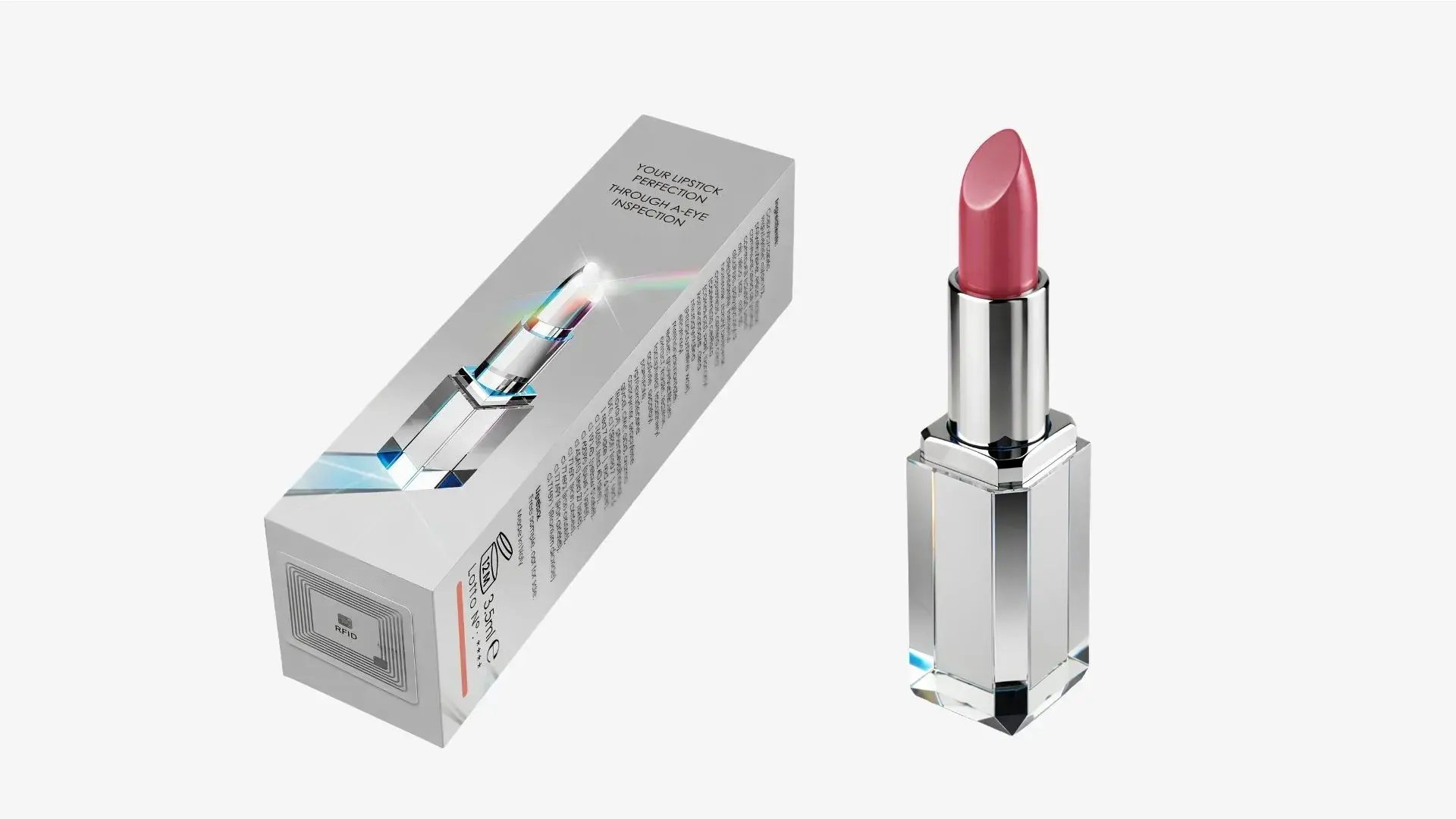
Why RFID is becoming an essential shield for cosmetics brands
The cosmetics industry is entering a new era of transparency, traceability and digital engagement.
Brands spend years developing innovative formulations and invest heavily in marketing to build awareness, trust and loyalty. But all these efforts can be undermined if counterfeit products reach consumers and damage the brand's reputation.
After investing so much in creating and promoting a product, protecting its authenticity is the natural next step. RFID helps cosmetics brands safeguard the value they have worked so hard to create, ensuring that consumers receive the genuine product and the experience the brand intended to deliver.
Meet us at Cosmetic 360 to discover how RFID can become the protective shield around your cosmetic products and your brand reputation.
Reference
Request information