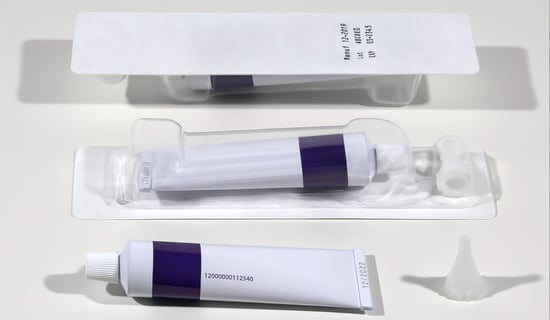

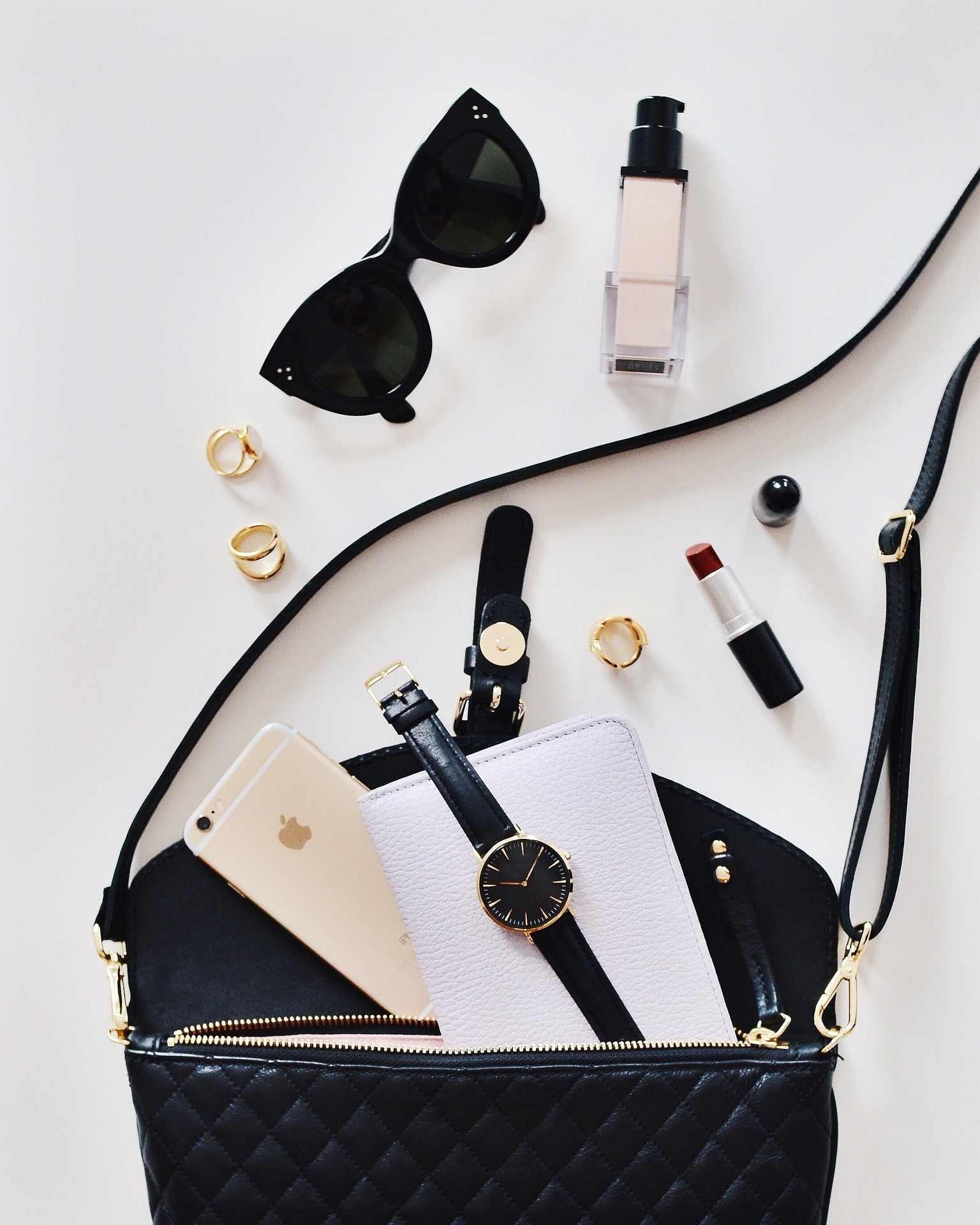
In an era where luxury cosmetics symbolize more than mere beauty — evoking exclusivity and elegance — flawless lipstick is non-negotiable.
Greatness lies in the smallest of details, from the perfectly centered tip to the shining metallic case.
Today, neural networks and AI-powered multicamera vision systems are transforming how brands guarantee this level of perfection—at scale, in real time, and with exacting precision.
The Challenge of Lipstick Quality Control
Lipstick quality control is challenged with intricacies:
-
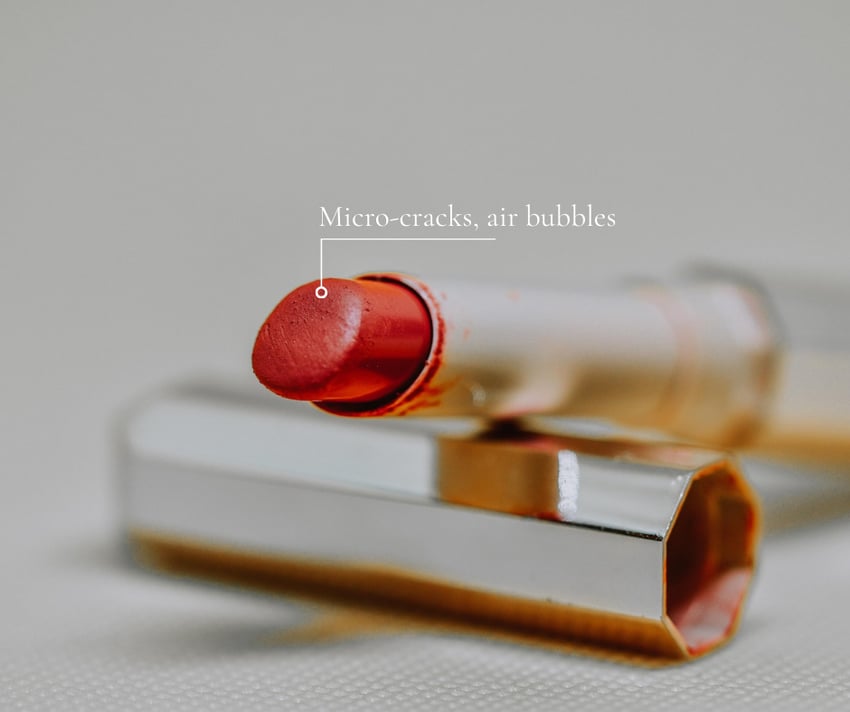
Sensitive tip surfaces: Prone to micro-cracks, air bubbles, uneven molding, or imperfect embossing.
-
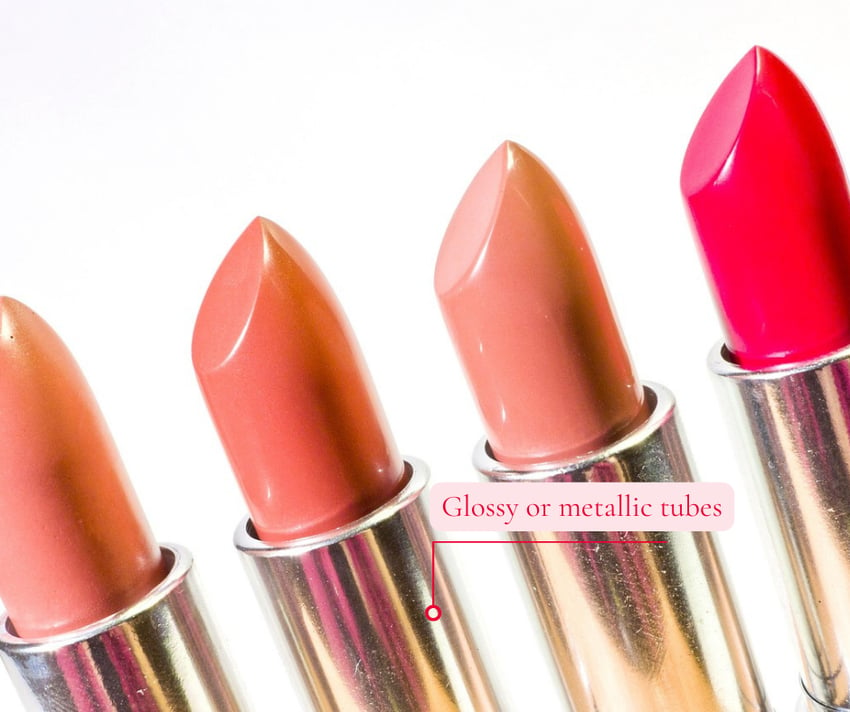
Reflective packaging: Glossy or metallic tubes create lighting challenges, complicating defect detection.
-
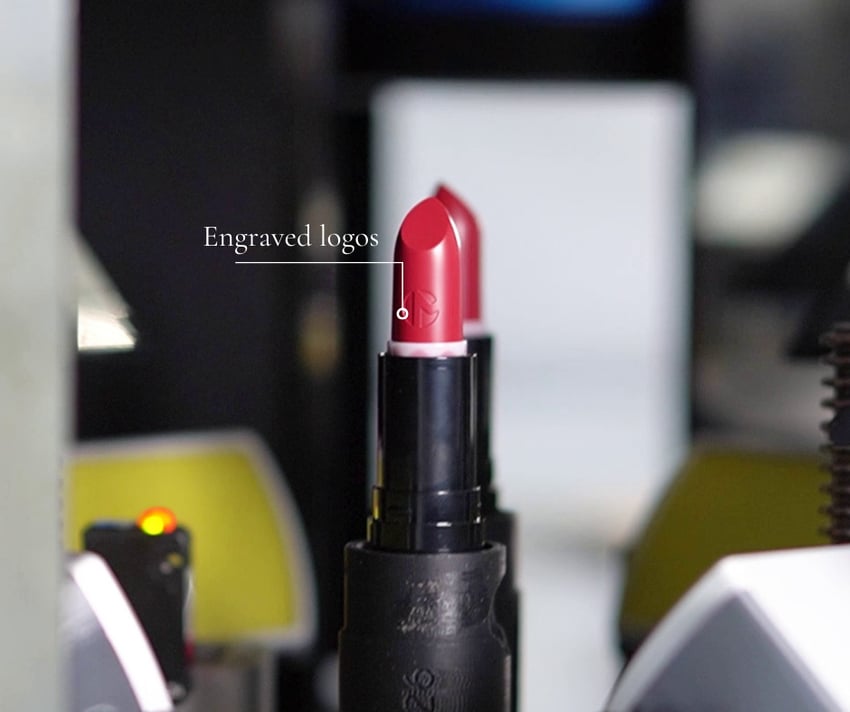
Microscopic branding: Embossed or engraved logos need precision alignment—errors could harm brand prestige.
-
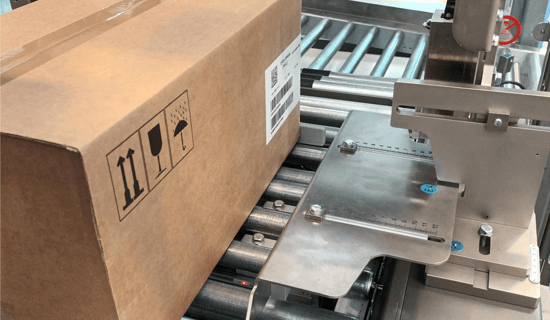
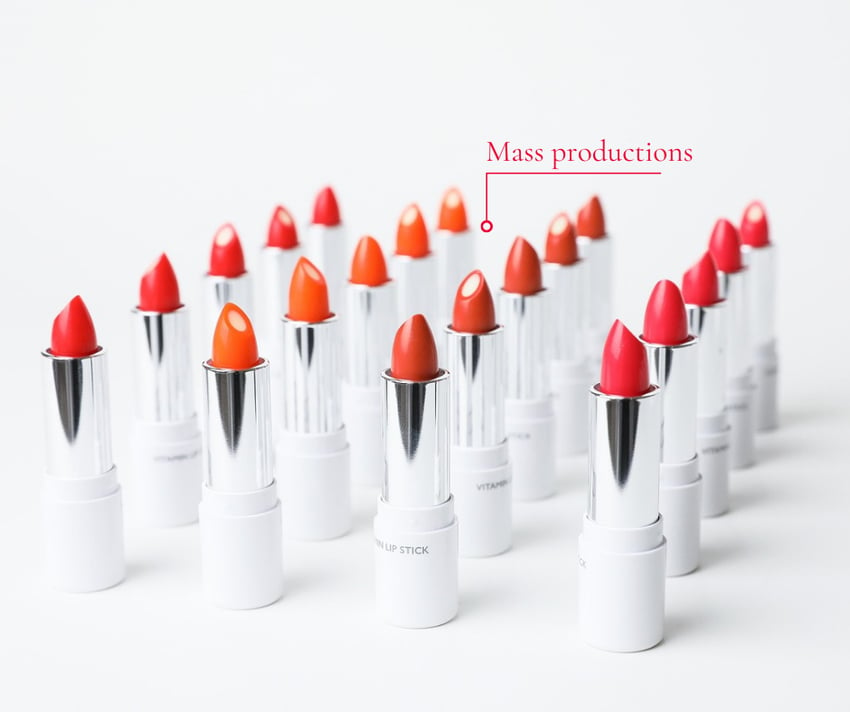
High-speed lines: Millions of units must be inspected per year without production slowdown.
These challenges demand more than human eyes.
Enter Neural Networks
Modern vision systems employ neural networks—especially Convolutional Neural Networks (CNNs)—to perform high-speed, high-accuracy inspections:
-
In manufacturing contexts, CNNs have achieved 98% accuracy in real-time surface defect classification with datasets exceeding 22,000 labeled images.
-
Advanced systems combining CNNs, RNNs, and GANs enhance detection accuracy, produce synthetic data for rare defect scenarios, and adapt to changing defect patterns—boosting robustness and efficiency in defect detection workflows.
1. CNNs (Convolutional Neural Networks)
Purpose: Mainly used for image and spatial data processing.
Key idea: Instead of treating each pixel independently, CNNs use filters/kernels to detect patterns like edges, textures, or shapes.
Structure: Composed of layers such as:
Convolutional layers: Extract features from images.
Pooling layers: Reduce dimensions while keeping important info.
Fully connected layers: Combine features for classification.
Applications: Image recognition, object detection, facial recognition, medical imaging.
2. RNNs (Recurrent Neural Networks)
Purpose: Designed for sequential data (time series, text, speech).
Key idea: Maintains a memory of previous inputs via hidden states, so the network can learn patterns over sequences.
Structure:
Each output depends not only on the current input but also on previous inputs.
Variants: LSTM (Long Short-Term Memory) and GRU (Gated Recurrent Unit) solve the “vanishing gradient” problem.
Applications: Language modeling, machine translation, speech recognition, stock prediction.
3. GANs (Generative Adversarial Networks)
Purpose: Generate new, realistic data (images, audio, text) from noise.
Key idea: Two networks compete:
Generator: Creates fake data.
Discriminator: Tries to distinguish real vs. fake data.
Through this adversarial training, the generator improves until its outputs look realistic.
Applications: Image synthesis, deepfakes, style transfer, data augmentation.
-
Data augmentation using GANs has demonstrated exceptional performance (AUC-ROC ≥ 0.9898), even when only 25% of samples are defective.
These neural network capabilities enable precise identification of subtle defects that would elude both rule-based systems and the human eye.
Industry Momentum Behind AI QC
AI adoption in cosmetics is surging:
-
55% of personal care companies have integrated AI for quality control and 53% leverage AI-powered image analysis for product quality assessments.
-
The use of AI in cosmetics manufacturing reduces waste by up to 25%, and 65% of beauty brands are expected to adopt AI technology by 2025
-
AI-driven inspection systems elevate operational efficiency—workers spend up to 70% less time on QC, while waste is reduced by over 50%, aligning perfectly with sustainability and cost goals.
This delivers a powerful business proposition: better quality, lower costs, and faster throughput.
What AI-Led Lipstick QC Detects
Neural networks excel at spotting:
-
Tip defects: Microscopic cracks, bubbles, deformations, misaligned or incorrect embossing.
-
Packaging flaws: Scratches, dents, uneven lacquer, and color mismatches—especially on reflective surfaces.
-
Assembly errors: Misaligned caps, imperfect logo placement, seal issues—each critical to the luxury aesthetic.
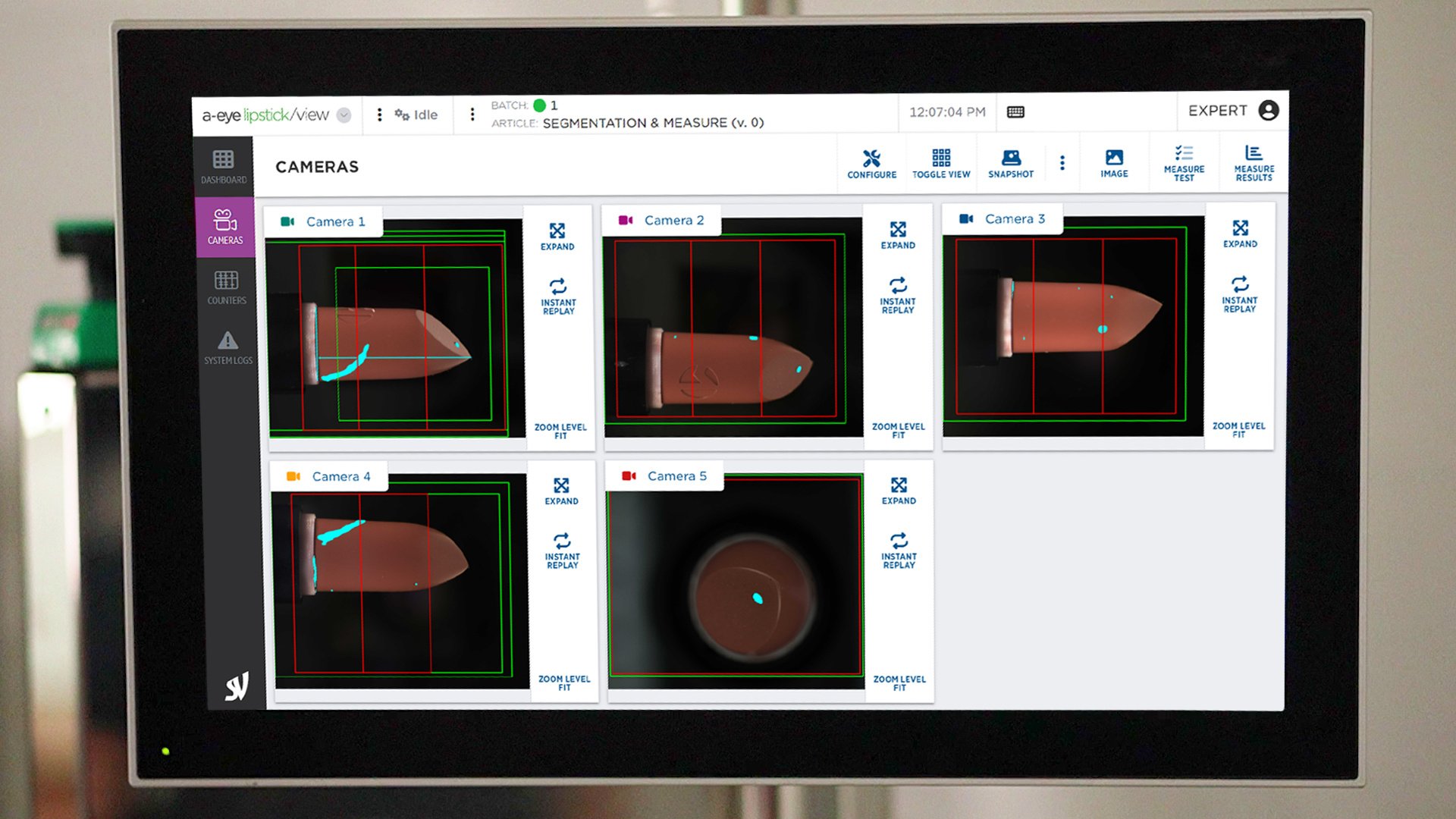
Combined with multicamera imaging from various angles, AI systems deliver comprehensive, 360° inspections—dramatically reducing surface-level inconsistencies.
Real Business Impact
-
100% inspection coverage: Every lipstick is scrutinized—no skipped units.
-
Brand integrity preserved: Eliminates flawed items that could damage consumer perception.
-
Cost savings: Replaces manual QC, reduces recalls, and cuts waste.
-
Scalable and adaptable: Neural networks can be retrained for new shades, designs, or seasonal packaging.
Moreover, AI-enhanced QC strengthens environmental sustainability—minimizing raw material and energy waste and improving overall manufacturing resilience.
The Path Ahead
The future of AI in cosmetics promises even greater sophistication:
-
Predictive QC: Leveraging inspection data to foresee defects before they manifest, proactively preventing production errors.
-
Full automation: Seamless integration of AI vision with robotics for an entirely autonomous lipstick line.
-
Expanding beyond lipstick: Applying similar neural-driven inspection methods to foundations, blush compacts, or mascaras—elevating quality across the product spectrum.
Final Thoughts
In the world of luxury lipsticks, perfection is more than desirable—it’s essential. Neural networks and AI-powered vision systems aren’t just technology—they're guardians of brand promise, ensuring every product embodies flawless elegance. As the beauty industry evolves, AI is no longer optional—it’s the hidden artisan behind every perfect swipe.
📩 Interested? Contact us to learn how you can bring this innovation into your facility.

References
-
Arxiv. “Deep Learning-Based Defect Detection in Manufacturing.” https://arxiv.org/abs/1904.04671
-
Arxiv. “Advanced AI for Cosmetic Quality Control.” https://arxiv.org/abs/2311.03725
-
Arxiv. “GAN-Based Defect Detection with Limited Samples.” https://arxiv.org/abs/2212.09317
-
Wifitalents. “AI in the Personal Care Industry Statistics.” https://wifitalents.com/ai-in-the-personal-care-industry-statistics
-
Zipdo.co. “AI in the Cosmetology Industry Statistics.” https://zipdo.co/ai-in-the-cosmetology-industry-statistics/
-
Inea.eu. “Inspection of Cosmetic Defects.” https://www.inea.eu/inspect/cosmetic-defects/

%20(1).png?width=550&height=395&name=Senza%20titolo%20(1024%20x%20597%20px)%20(1).png)