

What if every single medicine - every vial, every syringe inside a nest - could tell its story? Where it has been, how long it has been out of the fridge and whether it is still safe? RFID technology is unlocking this potential. With real-time data and immediate alerts, it is transforming the way we protect what matters most: patient safety.
Now, let us take a step back and uncover how this silent revolution is reshaping the way we live.
In today's fast-paced world, the need to stay connected and have everything under control at all times is more important than ever. Processes are becoming increasingly streamlined and fluid, making our lives easier and more efficient.
Imagine walking into a clothing store: the days of waiting in line for a cashier are gone.
Instead, you can simply toss the items you want to buy into a basket and within seconds, the final price appears on the screen.
What is this extraordinary magic?

It is called RFID, a cutting-edge technology that not only enhances the shopping experience but also transforms inventory management, improves supply chain efficiency and prevents theft and loss.
Yes, I am talking about that little thing that sometimes beeps when it has not been properly deactivated, making you do the walk of shame back into the store, feeling like a wannabe thief caught in the act!
The science behind the magic: how RFID tag works
But what is the meaning of RFID?
RFID stands for Radio Frequency Identification and it is a technology that uses electromagnetic fields to automatically identify and track tags attached to objects. The system includes the following components:
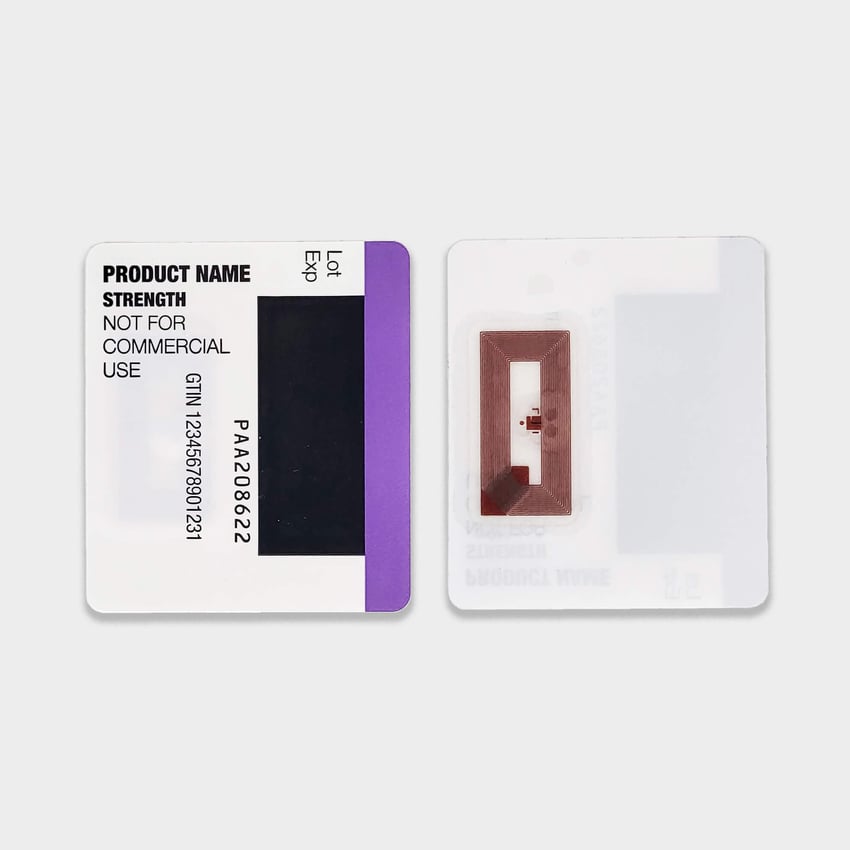
- RFID tags - store data that can be read by RFID readers;
- RFID readers - emit signals to activate the tags and receive the stored data;
- Antennas - facilitate the transmission of signals between tags and readers.
This technology works by the reader sending out a signal, which activates the tag. The tag then transmits its stored data back to the reader, allowing for efficient and accurate tracking of items without the need for a direct line of sight.
Boosting pharmaceutical traceability with RFID solutions
Now, let's dive into the dynamic world of pharmaceuticals.
Traditionally, products are identified by their containers, which hold the necessary information. However, this method falls short in providing specific details about each individual product.
Enter the early 2000s, when the pharmaceutical industry began revolutionizing its tracking methods with RFID tags.
The first product to embark on this innovative journey?
A shipment of Viagra (sildenafil), around 2006. This marked a significant leap forward, ensuring precise tracking and enhancing the safety and efficiency of pharmaceutical logistics.
(to deepen the topic, read the article RFID: The future of smart labelling?)
Imagine being a supplier who needs to constantly monitor the state of medicines, especially sensitive items like syringes and other parenteral products, to isolate any defective ones. This is where RFID tracking solutions come into play.
By adopting RFID technology, we can ensure that each syringe is accurately identified and tracked independently throughout the entire process, from packaging to the final destination at the pharmacy.
This solution guarantees precise monitoring of all movements in and out of the packaging machines and allows for real-time tracking and data collection, reducing errors, enhancing safety and compliance with regulatory standards.
Additionally, RFID labels facilitate the identification of products in bulk at every stage, from purchase to delivery, ensuring comprehensive oversight and enhancing efficiency across the entire supply chain.

We are implementing this technology specifically for disposable syringes, revolutionizing how we manage and track these essential medical items throughout their lifecycle.
3 main benefits of using RFID in pharmaceuticals
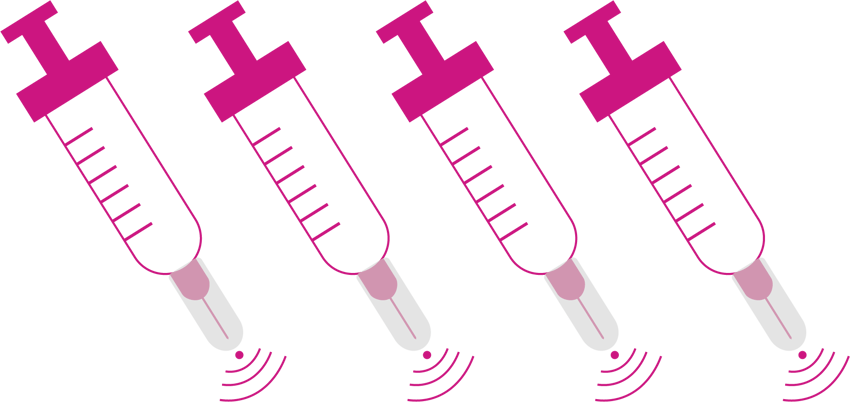
Identification of single items
With RFID technology, each product is identified at the single-item level (CUID: Container Unique IDentifier) through an RFID tag, often placed in the Rigid Needle Shield (RNS) before packaging. This precise identification helps prevent errors by ensuring that each item is correctly tracked throughout the filling, inspection, labeling, storage and secondary packaging stages. This not only enhances safety and compliance with regulatory standards but also allows for the identification and rejection of individual containers in case of non-compliance, reducing waste and safeguarding costs.
Additionally, RFID drug authentication plays a crucial role in counterfeit drug prevention, ensuring that only genuine products reach the market.
Comprehensive data tracking
RFID technology enables the collection of vast amounts of comprehensive data. Imagine being able to track the status of each container at every relevant position along the manufacturing process - whether it's empty, partially empty, inspected, good, bad or rejected. This advanced tracking capability ensures that every stage of production and distribution is meticulously recorded, providing invaluable insights into manufacturing processes, improving product quality control and enhancing overall efficiency.
Additionally, RFID allows for cold chain monitoring, collecting data for each single CUID, such as the temperature of the machine during the filling phase and the time out of refrigeration (TOR), even throughout the supply chain. This is crucial for pharmaceuticals that require stringent environmental controls, particularly temperature-sensitive products like vaccines. If the temperature deviates from preset limits, RFID sensors can immediately alert managers to take swift action, preventing potential spoilage and ensuring the integrity of the products.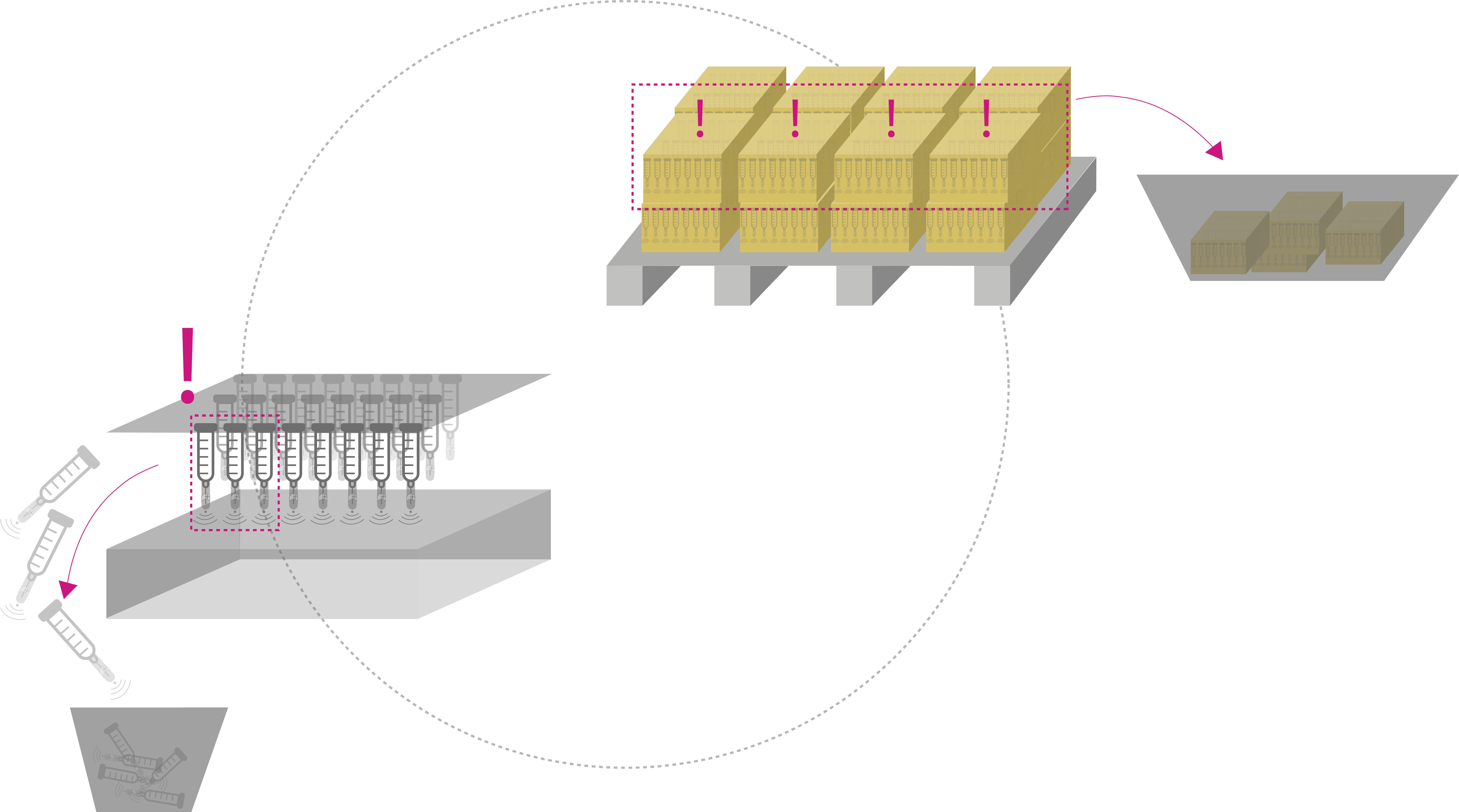
Optimization of the process
All the data collected and linked to the RFID tag can be exchanged with all entities involved in the manufacturing process at different stages, from filling to palletizing, even in multi-site packaging processes and decentralized production concepts. This seamless data exchange optimizes the entire process, ensuring that every step is efficient and well-coordinated.
Supply chain visibility is enhanced, allowing for better tracking of products from production to delivery using RFID technology. This optimization not only improves operational efficiency but also has a direct impact on people by ensuring consumer trust and brand reputation.
By maintaining high standards of product lifecycle management, companies can guarantee the quality and safety of their products, fostering confidence among consumers and stakeholders. 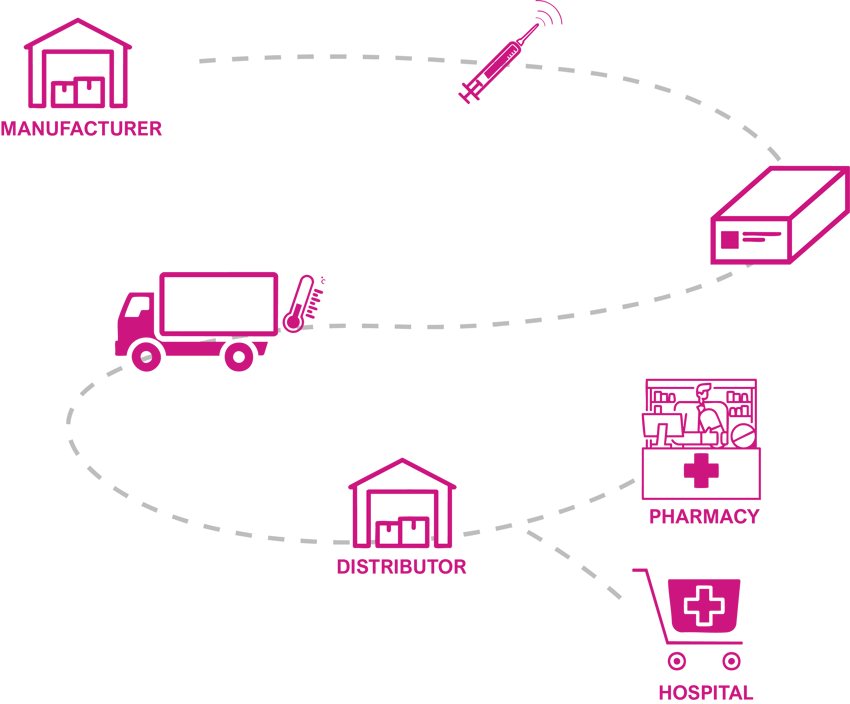
Final insights on RFID in supply chain
Embracing this cutting-edge technology is a crucial step forward, one that should be seriously considered despite the associated costs. Over the past decade, the adoption of RFID has seen fluctuations primarily due to its initial high implementation costs. Previously, the expense of tags and software made it a complex and costly endeavor. However, today the landscape has changed a lot, so there are now numerous solutions available in the market, making implementation more accessible and affordable.
In the early 2000s, the lack of standardized protocols for RFID in the pharmaceutical industry posed significant challenges. Companies faced uncertainty about compatibility and functionality with their existing systems.
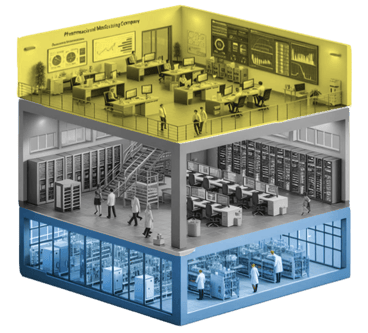 Fast forward to today and the scenario is vastly different. The increasing complexity of manufacturing processes demands more flexible and adaptive systems and RFID technology fits the bill perfectly. Additionally, stringent regulatory requirements necessitate precise tracking and compliance, which RFID can efficiently provide. In summary, the benefits of adopting RFID technology now far outweigh the costs. It offers enhanced tracking, improved safety and compliance with regulatory standards, making it an invaluable asset in the pharmaceutical industry.
Seeking RFID solutions? Get in touch with us!
Discover how RFID can transform your operations. Fill out the form to learn more and take the next step toward enhanced patient safety.
.png?width=550&height=395&name=Senza%20titolo%20(1024%20x%20597%20px).png)